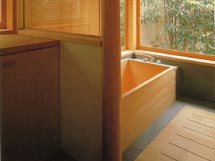
SUEOKI type
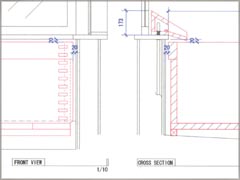
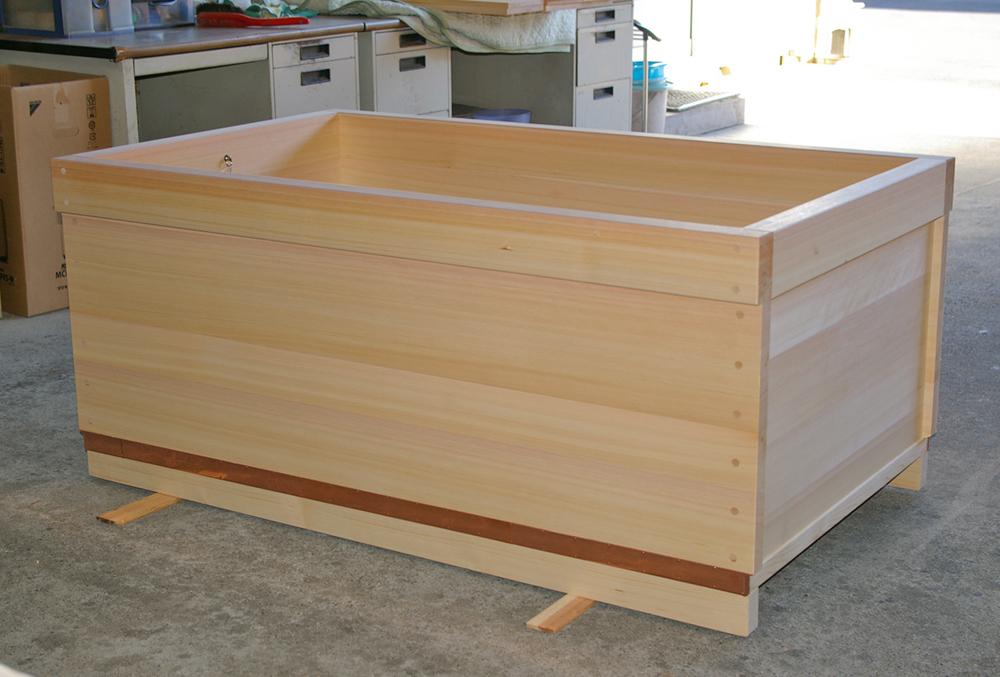
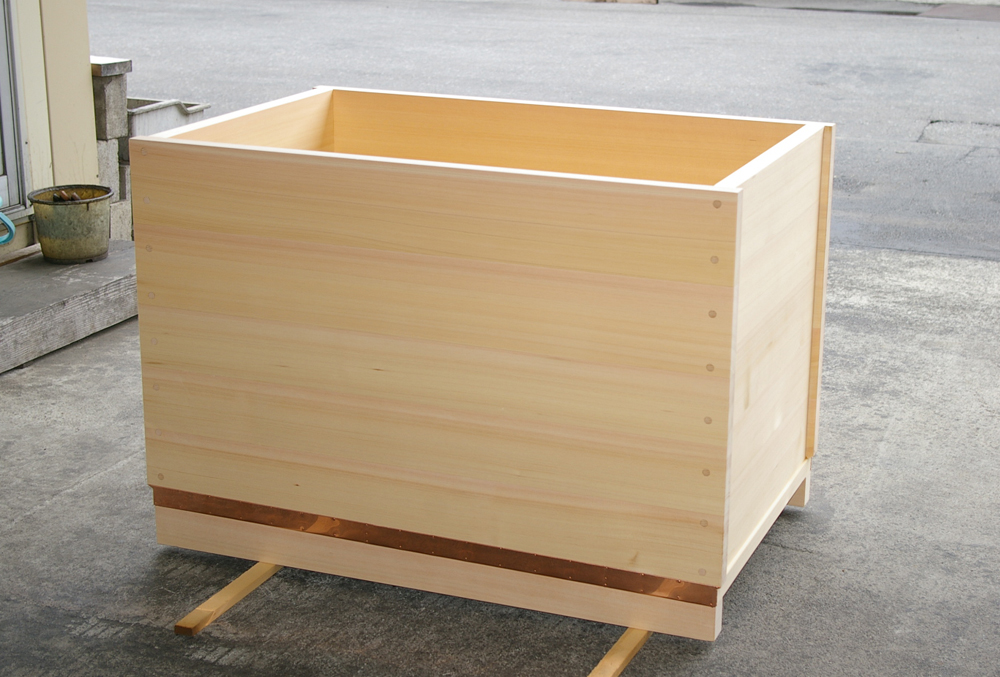
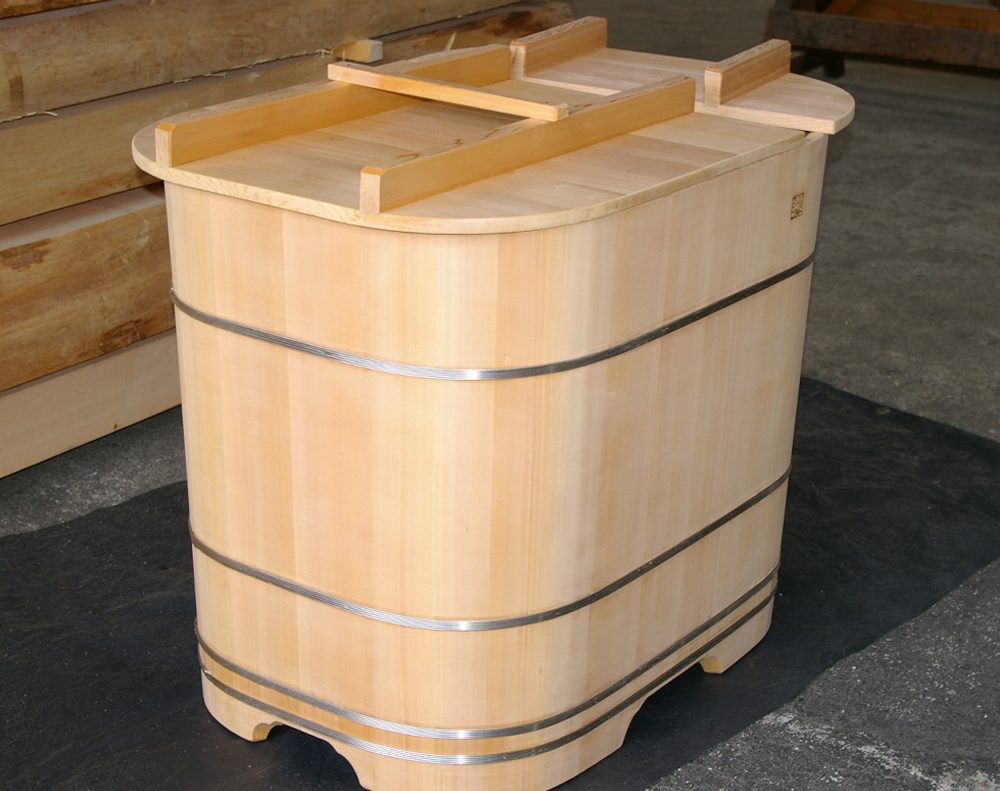
The bathtub is positioned on the floor in such a way that the wooden front is exposed. This solution is preferred when the walls are also finished in wood or just to enhance the elegant simplicity of the space. See the details for more info.
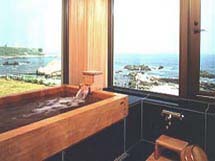
UMEKOMI type
The bathtub is recessed, and it is mostly visible from the inside rather than the outside. This solution may be slightly and limits the cleaning and maintenance to the interior surface. See the details for more info.
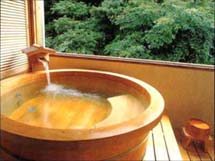
CUSTOM type
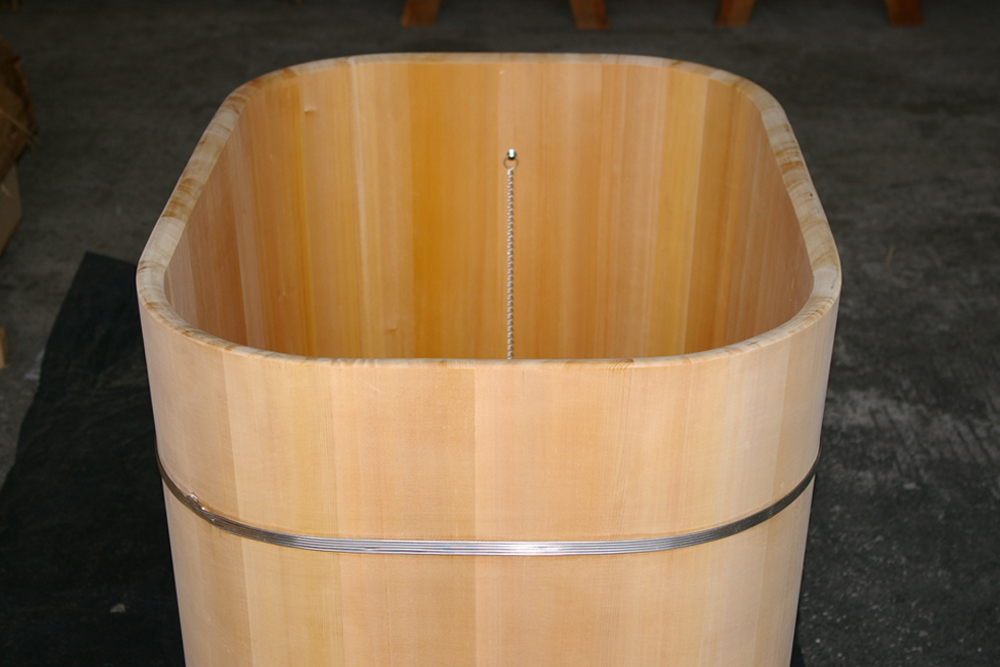
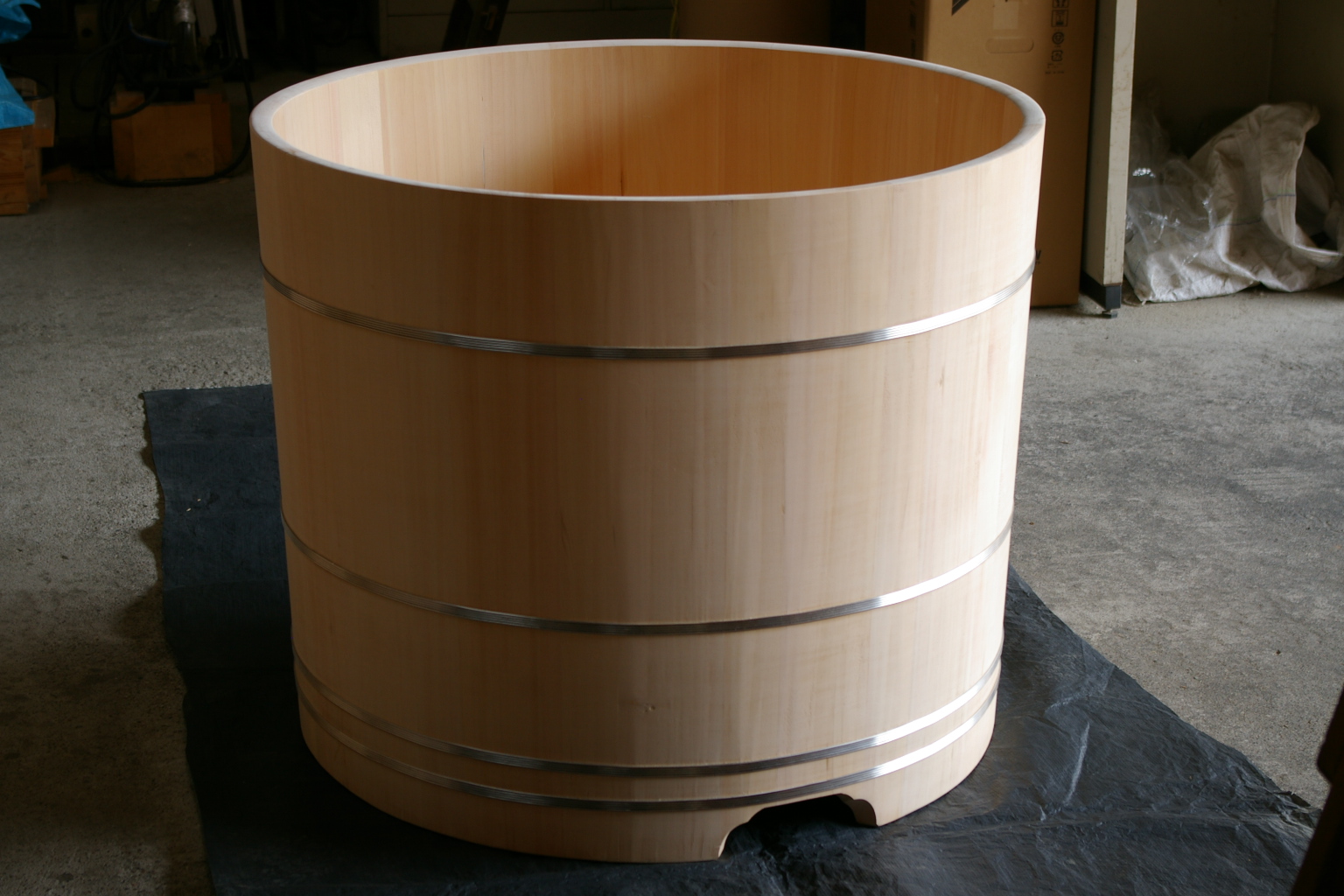
Any size, from family to pool type. Any shape, including round, oval, polygonal etc.
For your reference, common sizes(*) are:
(see also the standard tub sizes pricelist)
We can build any size as per your specification at no extra cost. Please inquire.
S1) 0900L x 0700W x 690H
S2) 1000L x 0700W x 690H
S3) 1100L x 0700W x 690H
S4) 1200L x 0750W x 660H
S5) 1300L x 0750W x 660H
M6) 1400L x 0750W x 666H
M7) 1500L x 0750W x 616H
L8) 1800L x 1000W x 616H
R9) 1400φ x 750H
(*) sizes (mm) are external
To inquire about your custom-made ofuro please fill out the contact form below or email us.
21 – INSTALL. CLEARANCE
You should have at least 1/2" of clearance around the tub. This allows for seasonal shrinking and dilatation and facilitates the circulation of air between tub and wall.
There are 3 solutions for this detail:
leave the narrow gap open (traditional japanese way). Water flows between the wall and tub, keeping the outside face of the tub clean.
seal the gap with caulking
plug the gap with thin stripes of hinoki that are wedged inside (we can supply those free of charge).
22 – OVERFLOW
When you enter a japanese tub, the water will overflow from the top in the 4 directions. If you want to direct the overlow in one direction only, we can apply this type of cut both for singl plank tubs or kamachi frame tubs. Another option for the overflow is to have a couple of drain fittings about 50mm o.c. below the border, connected to the drain. The disadvantage is you will hear the noise of water and air being skimmed and sucked. See also notes about waterproofing in the installation section
23 – BARK WATERPROOFING
If you look closely, you will notice some buffer material between bottom and wall planks. This is hinoki bark which is used as a natural waterproofing/fungicidal material at the connection between bottom and wall planks.24- NATURAL OIL FINISH
The hinoki wood is never uretan coated in order to allow the wood pores to breath and release aromatic oils. As an extra precaution, we may propose to finish the sides facing the walls (outside face only) or the bottom with a natural clear oil produced by the german company KREIDEZEIT. http://www.kreidezeit.de/
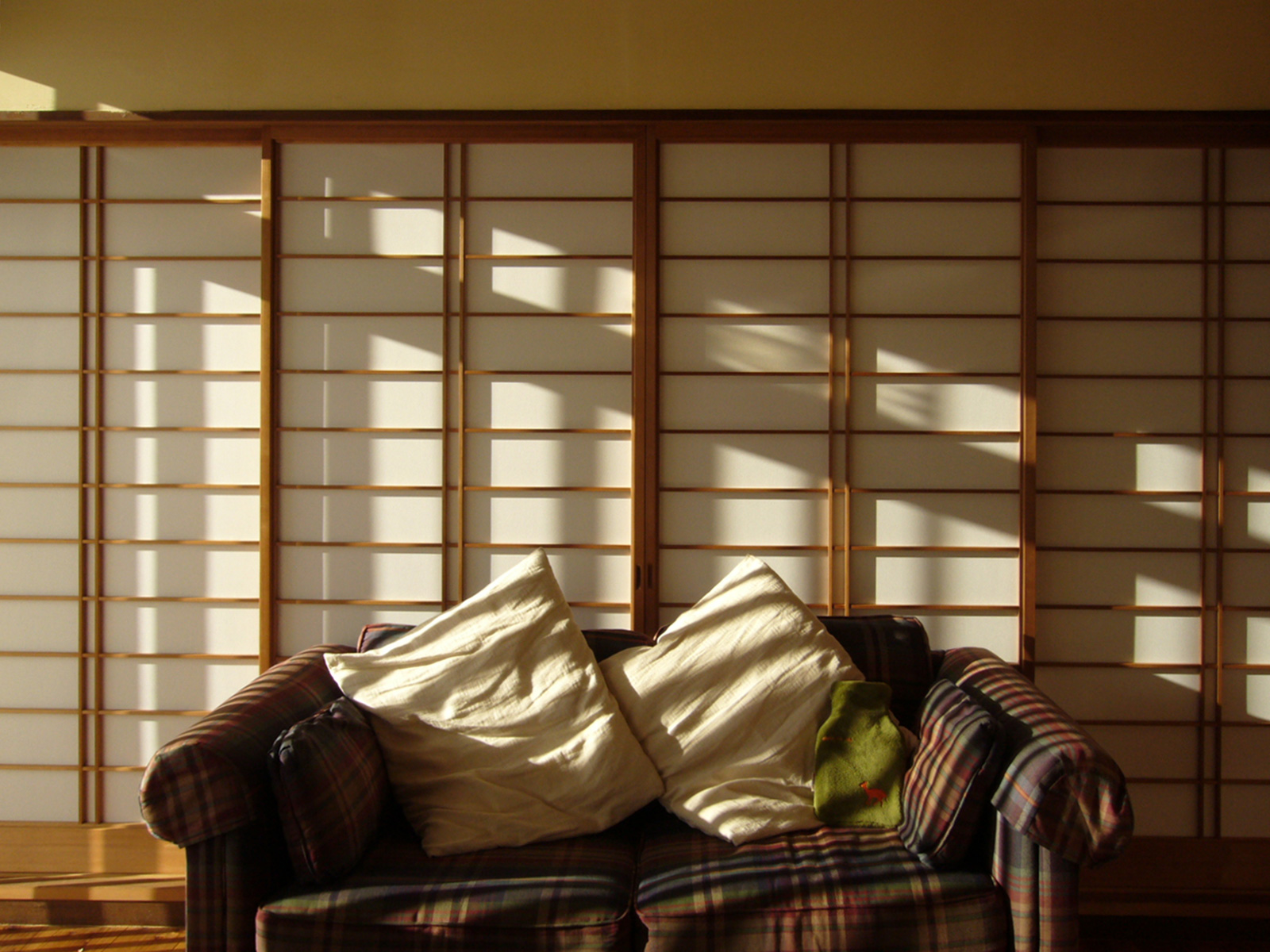
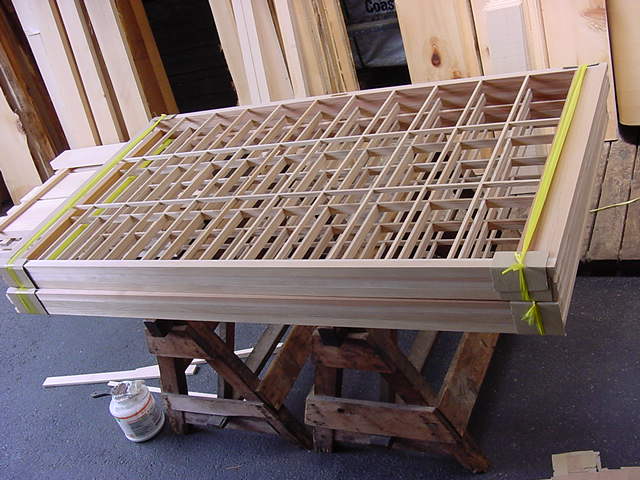
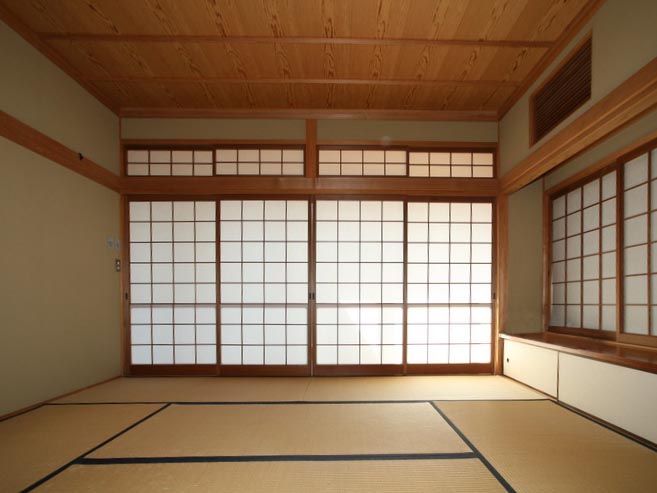
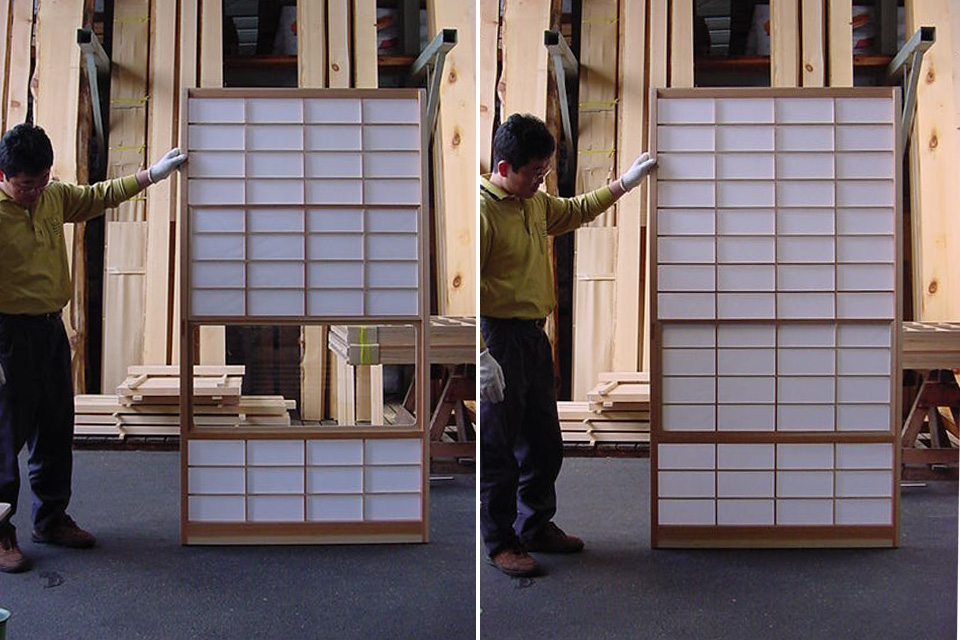
Shoji doors are light screens made of thin lists of wood on which is applied a sheet of rice paper. They are usually sliding doors and are often used in number of 4 pieces to create a “translucent wall” that can be opened as needed from the sides or from the center.
PRICES:
We will make a detailed quotation, anyway consider about 150,000~200,000 JPY (+ shipping fee) per door including the rice paper.
MATERIAL:
Usually shoji are made of sugi-wood (japanese fir), appreciated for its soft but graphic grain and dimensional stability. We can also build shoji in hinoki but be advices that the rice paper tends to detach more easily.
SIZE:
Traditionally, japanese houses are based on the module of 1-ken (1818mm). The width of a 6 tatami or 8 tatami room is usually 2-ken… To cut a long story short, just tell us the net dimension of the opening you want to close (example, W3500mm x H2000mm). We will dimension the 4 shoji with the correct overlapping to fit your site.
If your opening is less than 2700mm, go for 3 shoji doors. If you have less than 1800mm, use 2 shoji doors. Anyway, feel free to consult us for any question.
PATTERN:
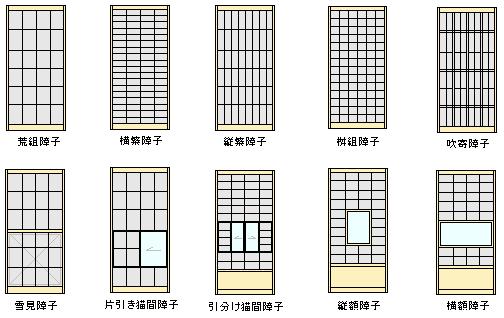
Just by changing the horizontal/vertical balance of the grid, you can obtain a completely different effect. Tell us how many rows and how many columns you want and we will prepare a drawing for your review. Or send us a picture of a shoji you like and we will give you the answer if it can be done or not.
ASSEMBLY:
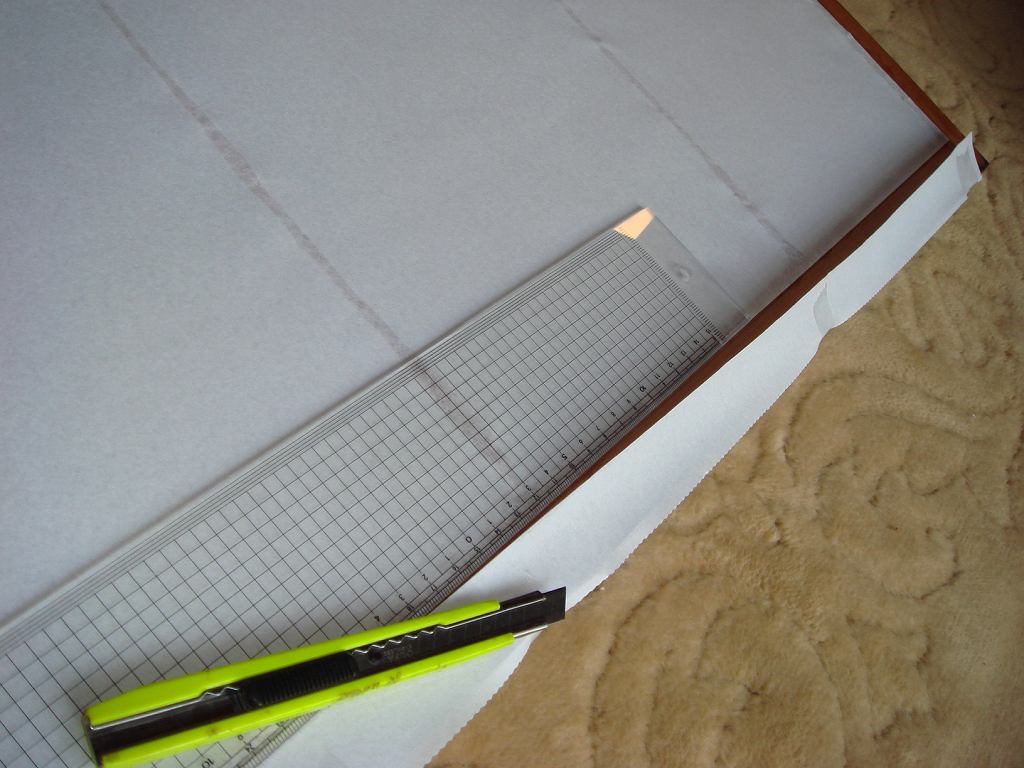
Rice paper is delicate and it will damage during transportation because of humidity or temperature change. We usually send our clients the shoji frames, some rolls or paper and glue. Application is very simple and you can do it yourself.
MAINTENANCE:
Keep in mind that it is paper and it is easy to rip or stain it. Of course you cannot wash it but you can remove dust with a vacuum cleaner or a brush.
As a matter of fact, Japanese like to change the paper every year (like an american would refresh the paint in the dining room). Anyway if you can preserve it from kids or pets, rice paper just gets nicer and nicer with the passing of the years, like a parchment. Being a westerner myself, I bet you will love your rice paper even more after 20 years!
VARIATIONS:
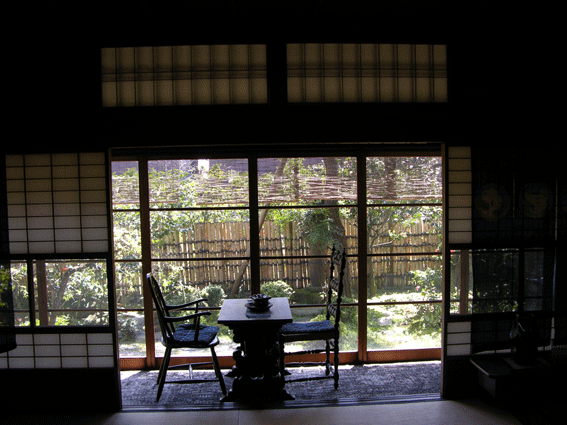
Just send us a drawing or a picture and we will make a shoji as you like. Here below is a YUKIMI-SHOJI (see-the-snow-shoji). In my opinion this is the quintessence of the poetry in japanese construction. The shoji itself is a sliding door but a section of it can be opened as a single hung window. The shoji is translucent (opaque) but in the sliding section there is a fix clear glass pane. So you can see thru (and when it is snowing outside, yes, you will see the snow falling!).
The height of this clear glass section is masterfully balanced so that when you seat on the floor you can look outside comfortably. Anyway people walking outside will not see you. This is at the same time simple and perfect, don`t you think so?
INSTALLATION:
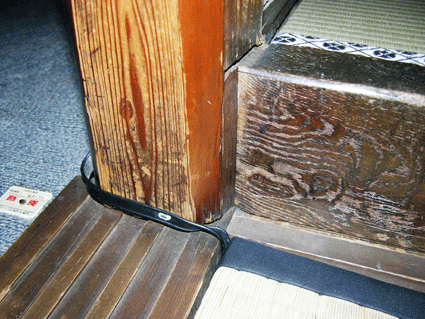
You will need a shiki (floor rail)
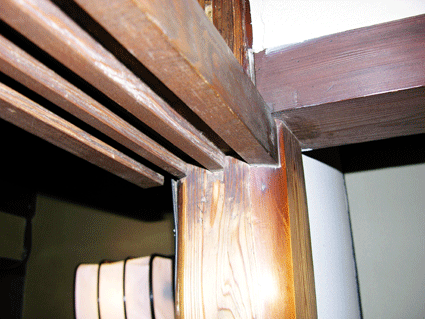
and a kamoi (overhead rail).
You can have those built by your carpenter (we will provide a scheme with the required sizes and pitch) or we can provide it as a set. In the latter case, we recommend for this particular case laminated wood because it is dimensionally stable and you will not have problems in the installation.
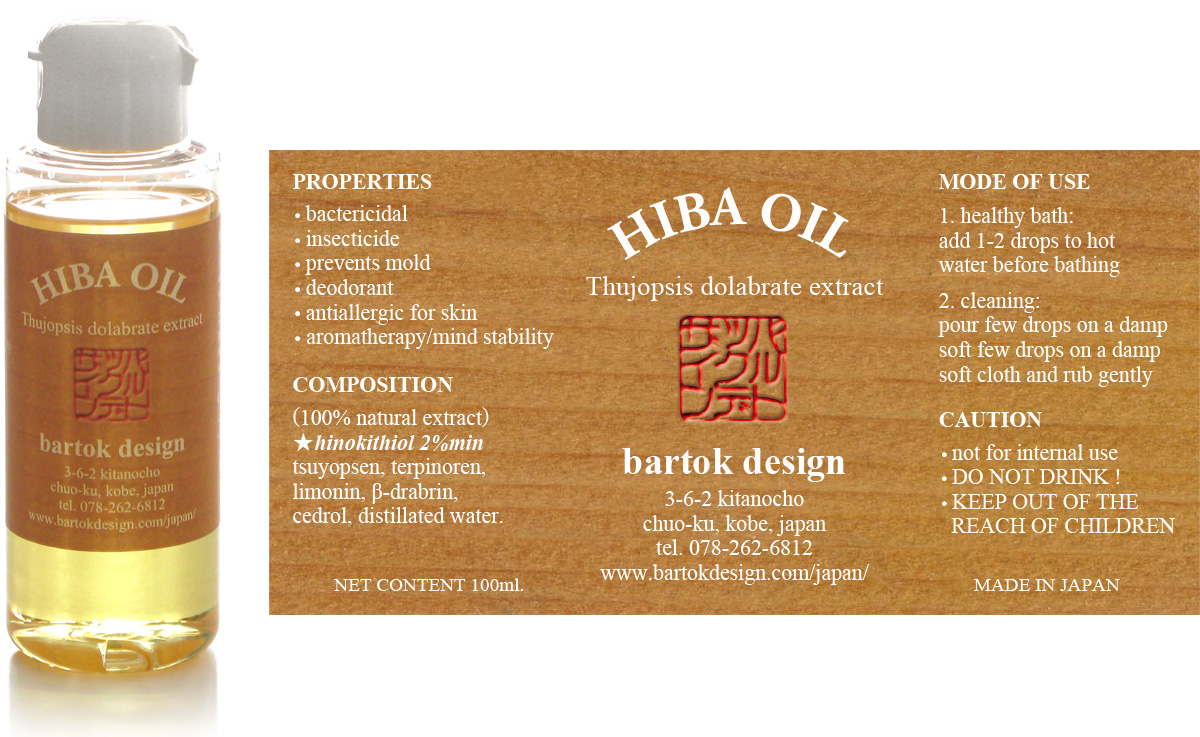
Japanese do not usually apply any oil on a wooden tub, but if you want, you can use hiba oil as a wood tub cleaner/conditioner.
Asnaro-Hiba oil has wonderful properties and will clean, rejuvanite and preserve your tub.
Asnaro contains more hinokitiol than hinoki wood.
It can also be used for:
aroma-therapy (relaxation)
odor elimination (recommended for your shoes closet)
skin care (eczema, nosocomial infections such as methicillin-resistant Staphylococcus aureus.
other uses: check our blog for the hiba oil detailed description)
Available in 100ml bottles at 4800 JPY per piece.
Some discount is available for larger lots. Please inquire.
Here below are the specs:
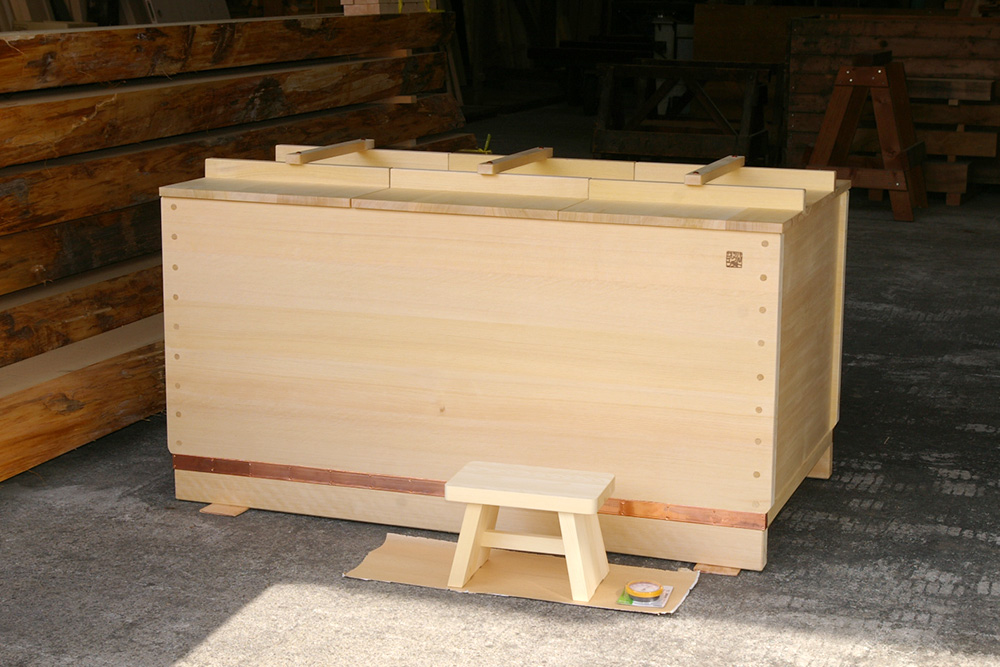
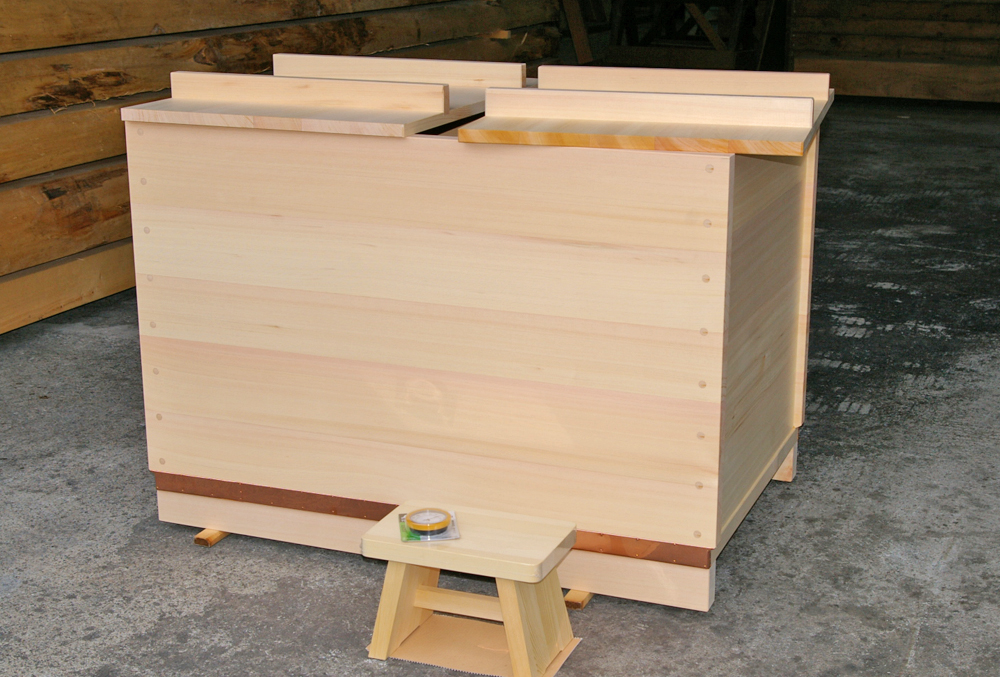
material: natural Japanese Asnaro AB grade bathtub (quartersawn)
sizes: L1350mm x W750mm x H675mm (ext. dim.) 570mm (deep)
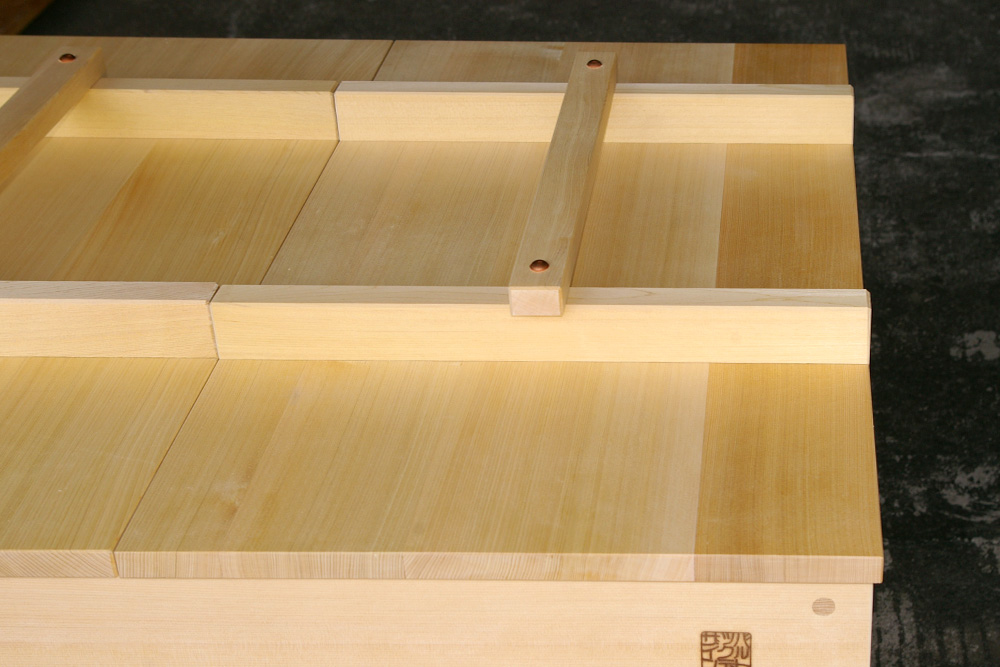
note: wooden dowels, copper apron, iron brand at top-right corner
accessories:
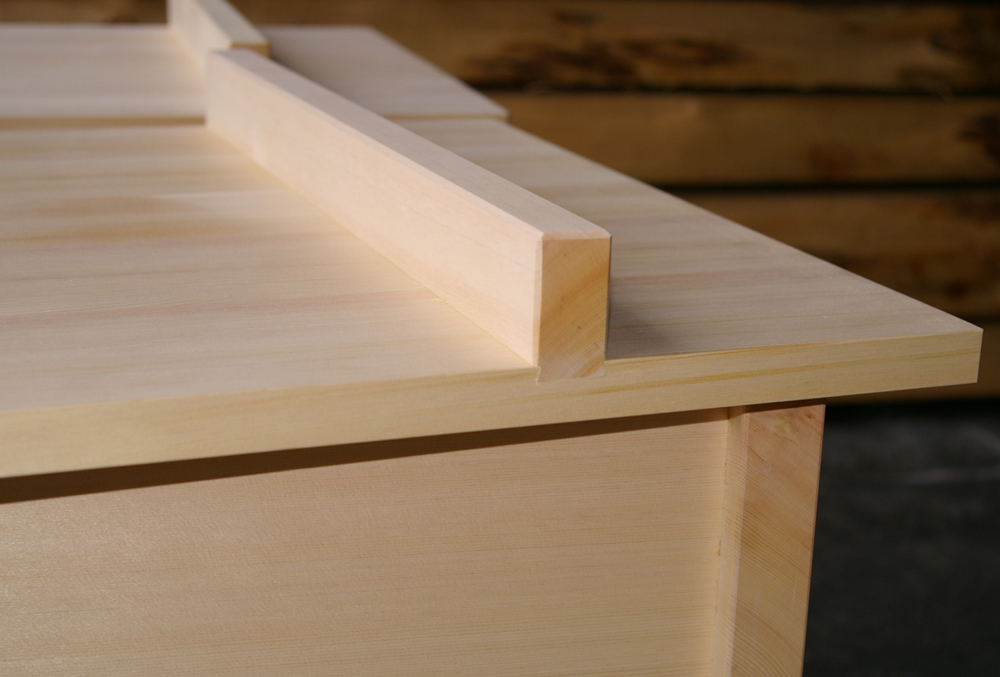
– Asnaro wood lid with handles (3 pcs)
– Hinoki wood traditional stool (300x180x200H)
– Hygrometer
material: natural Japanese Knotless Hinoki cypress bathtub
sizes: L1450mm x W850mm x H640mm (ext. dim.) 550mm (depth)
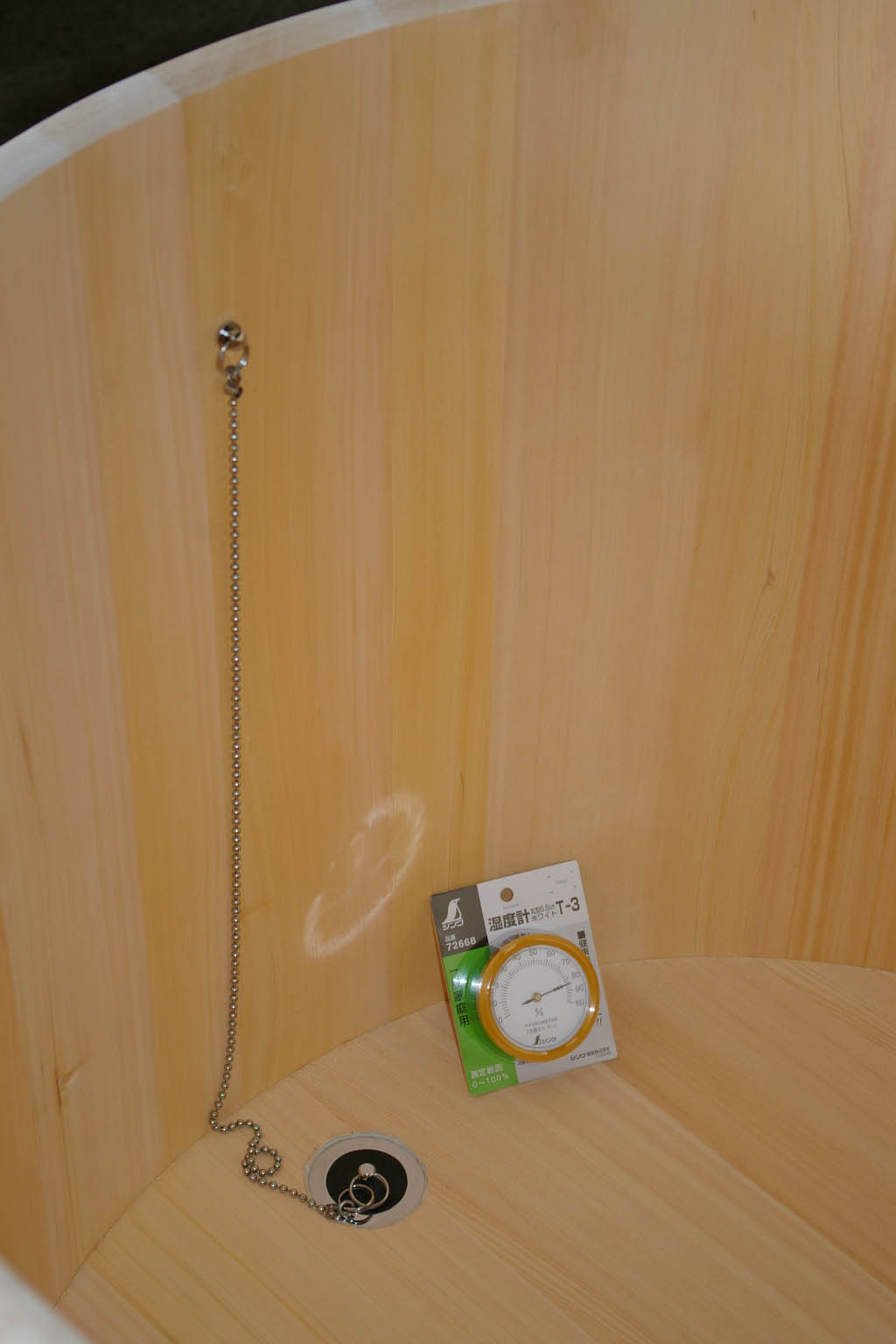
note: stainless steel bands. Iron brand at top. Drain socket.
option: Hinoki wood internal seat W400mm
accessories:
– Hinoki wood traditional cover 870x207x18 (7pcs)
– Sawara wood ladle with handle (180D 290H)
– Sawara wood large bucket(230D 120H)
– Asnaro wood stool (330x220x300H)
– Hygrometer
– Hinoki Special Reserve Oil (10ml.)
– Hinoki Essential Oil – 70 years old (10ml.)
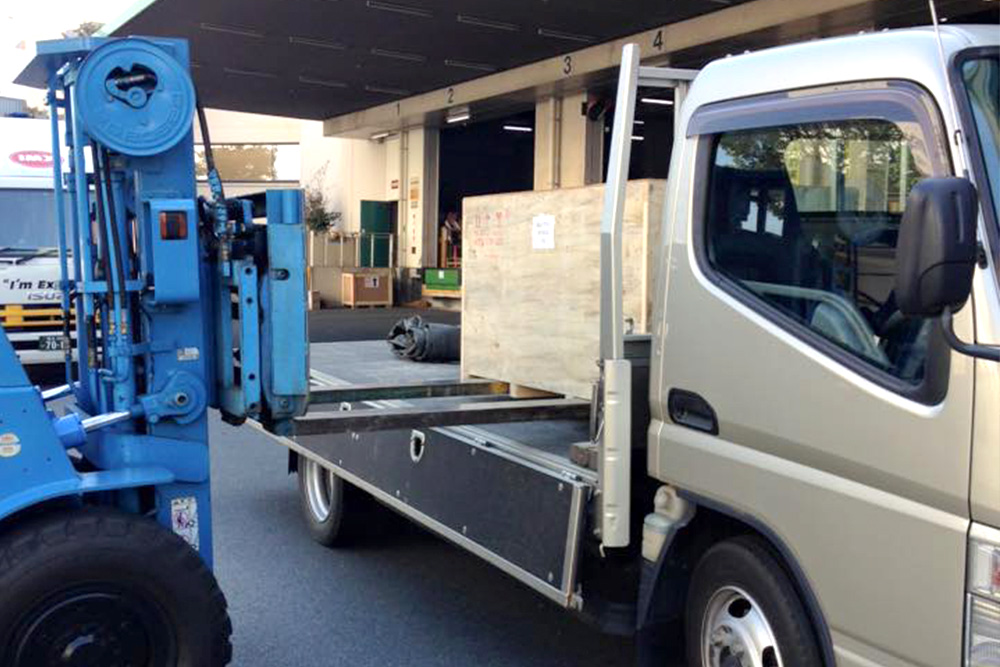
– Packaging: 1650x1050x840 plywood box
– Hinoki planks (AB grade) for floor grate panel w/hydrorepellent
L2700mm x W93mm x t15mm with anti-warping slits
Packaging: 2800x130x220 cardboard x 2 c/s
I have to admit, I LOVE that we live in a day and age where we can think of the unthinkable.
Have you ever considered teleporting a japanese temple in your backyard and using it to surprise your friends invited for a genuine tea ceremony?
It sounds crazy? Actually it is.
But you can, and it is free.
Feel free to read here below for more details.
A japanese temple looking for a caring home.
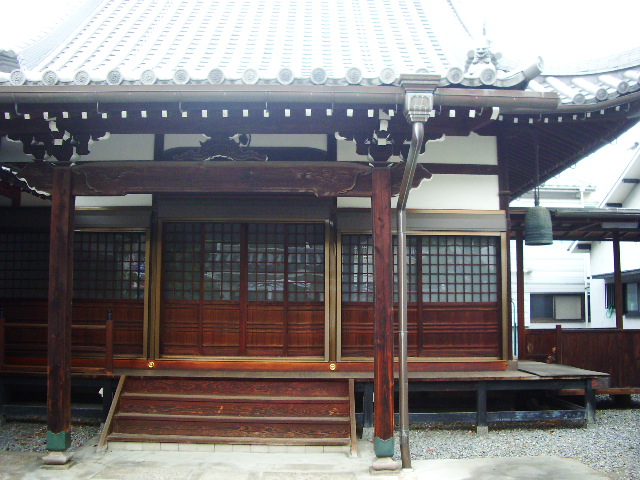
I was having a coffee with a real estate company I am working with and heard that this temple , located in Osaka is going to be destroyed in february 2016.
The buddhist priest does not have heirs or apprentices and could convince the community that there is no future for the temple.
Since his family is owning the land, he is going to tear the building down, sell the land and use the proceeds for his retirement.
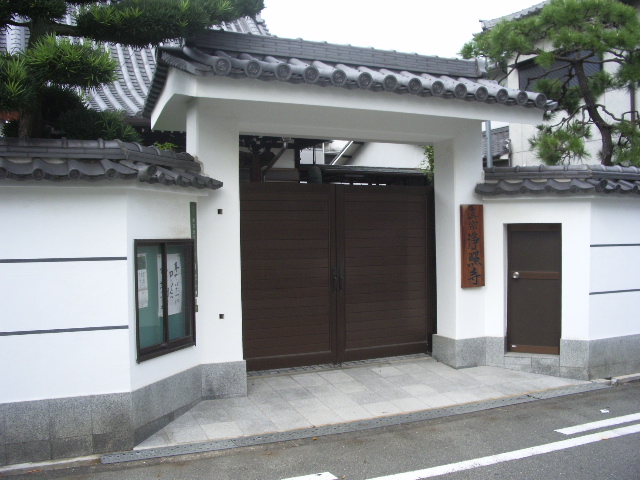
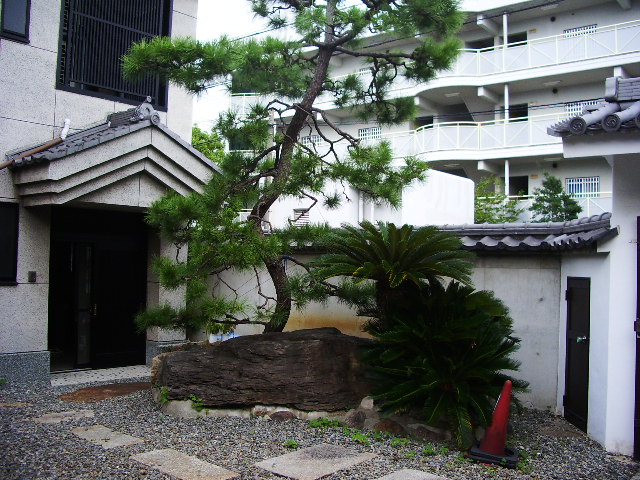
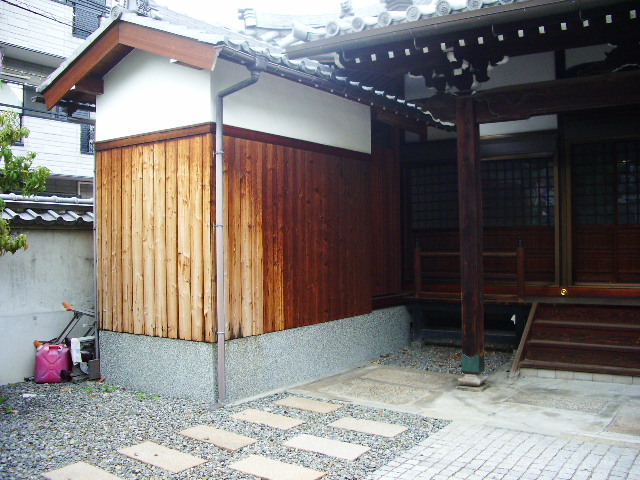
This is the external gate. The temple was rebuild after the WWII so it is not ancient but as every temple in japan uses premium handcrafted material.
The fact that it is relatively recent also means that the construction materials are still in very good conditions.
If we cannot save this site, how about rebuilding the temple somewhere else?
Alternatively, I also think it would make sense to reuse the material for other scopes. There are many statues in pristine conditions.
“hongawara type” roof shingles, doors, shelves, “ranma” carvings, tatami mats, shoji screens, framing material etc.
Japanese timber frame buildings can be dismantled and reassembled without major disruption.
I think we should give the good example and show to the japanese how much the traditional culture and historic heritage are precious.
What do you think? Do you need the temple? It is free!
Of course there will be costs involved in dismantling the materials and shipping them in a container.
But I think that it can be a unique chance to enter in possession of a precious artifact.
I am sharing this information just in case it may match you or your aquaintances schedule and plans.
My hope is that the action of a foreigner “adopting an historical building” may trigger a shift towards a different set of mind in Japan.
Please let me know if you want more information. We have to act quickly as the demolition date has already been set (february 2016).
Contact me at japan@bartokdesign.com for any question.
Yoroshiku onegai shimasu!
iacopo
UPDATE 10/20
We had an overwhelming feedback!
Thanks everybody for the prompt and kind reply.
I will get in touch with the real estate company and get more information.
I am planning to get back to you before the end of october.
When we receved an email from Australia in spotless japanese we were so surprised!
The mistery was cleared as we were told he studied and worked in Tokyo for a few years in his youth.
I imagine that the aroma of hinoki must bring back powerful memories and dejavues!
The client even come to visit our workshop,then after about one year he finalized the details of the order with a tight correspondance in japanese.
(My carpenter was galvanized at the fact he could answer back easily without translation so I think he indulged in corresponding even more than strictly necessary…)
Here below are the specs of the tub:
material: natural Japanese Knotless Hinoki bathtub (quartersawn)
Sizes: L1100mm x W700mm x H761mm (ext. dim.) 661mm (deep)
Note: wooden dowels, coppper apron, iron brand at short side, top left
accessories:
– Hinoki wood lid (2 pcs)
– Hinoki wood traditional stool
– Asnaro wood floor mounted spout type E
– Complimentary hygrometer
Model/material: japanese Knotless Sawara cypress wood bathtub
Sizes: L850mm x W630mm x 740mm (630mm deep)
Note: stainless steel wire bands. Iron brand at front top-right
This gorgeous barrel type tub was ordered by an architecture office.
Apparently, the project was modified, and they will have to reorder another tub with different dimensions.
For this reason, the client asked me to place the tub in the outlet corner at a discounted price. The tub is brand new, unused, and ready for shipment!
The price is 450,000 JPY, including the plywood box used for the freight.
Shipment cost is excluded and depends on the location.
Indicatively, air shipment to Europe will be around 160,000 JPY.
But let`s go back to this very stylish yet primitive and powerful barrel type tub.
Here are the specs:
material: Japanese Knotless hinoki wood round shape bathtub
sizes: diam 900mm x H740mm (int. depth 630mm)
details: stainless steel band. Iron brand at the front center
The iron brand will be applied before shipment, as the combined effect of the “burn” of the iron brand and the concentrated hinoki aromatic atmosphere inside the cellophane wrap may cause the wood around the brand to blur.